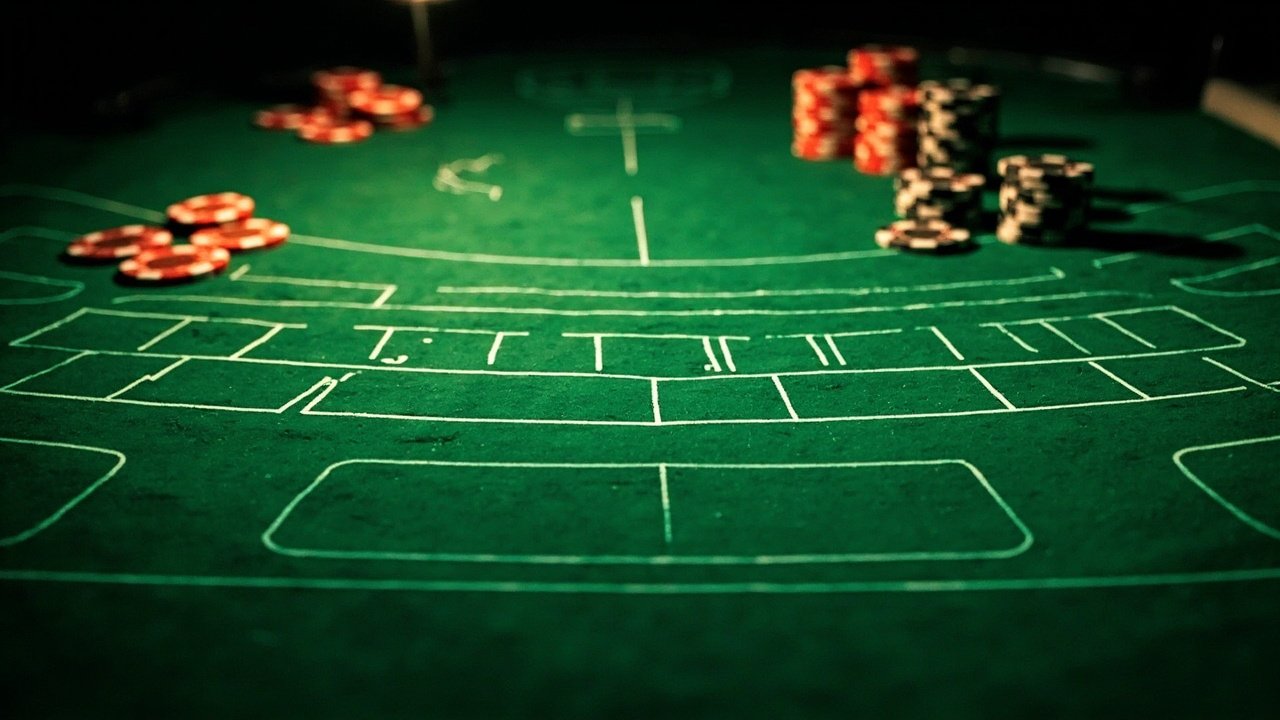
Craps looks like chaos from the rail – a clattering, chanting scrum of dice and dollar signs – but the worst craps bets to avoid are easy to spot once you slow down and read the felt. The catch is that glossy offshore sites can dress up those terrible wagers in neon animations, then quietly shortchange you on the licensing, support hours, and responsible-play tools that make a bad night survivable. We ranked the usual suspects through the lens of account safety, not just mathematics, and the offshore operators such as https://skycrowncasion.com/ show why that distinction matters more than any single wager.
The Cautious Newcomer and the Big Red Temptation

Picture the cautious newcomer – the sort who reads three reviews before buying a toaster. They land at a virtual craps table, the dice feel friendly, and a button glows promisingly: Any Seven, paying four-to-one, supposedly the quick route to a win. This is the Big Red, and the textbook entry when listing craps worst bets to avoid, with a house edge of roughly sixteen-point-seven per cent. The casino keeps about one in six dollars wagered long term. The deeper problem is not the maths, though – it is that the site offering it often buries its licensing in tiny footer text and asks for verification only at withdrawal. A trustworthy platform should display its regulator, document KYC upfront, and route deposits through a payment provider that supports chargeback. When those signals are missing, the Any Seven is the canary in the coal mine. Compare the MGM Grand in Las Vegas, once the largest hotel in the world by number of rooms, where even the casual tourist expects the cashier cage staffed, the rules printed, and the licensing visible from the lobby. Offshore craps lounges rarely match that, and a newcomer who ignores the gap is gambling on more than the dice.
The Seasoned Punter and the Centre-Table Siren
The seasoned punter considers themselves sharp. They know pass line from don’t pass, would never touch the Big Red, and then the centre of the table calls out – the Field paying two-to-one on two and twelve, the hardways, the horn, the C&E that splits your stake in one click. These craps worst bets to avoid feel almost reasonable, which is the trap. The hard four pays nine-to-one but loses more than the easy four, and the horn clears twelve to fifteen per cent. This player assumes three thousand games equals legitimacy and never checks the support email. When a withdrawal stalls, the live chat is a chatbot, KYC takes seventy-two hours, and the only escalation is a form that bounces. A platform that protects seasoned players publishes a real licence number, staffs humans around the clock, and lists an independent dispute mediator. Compare the small-town Colorado casino that once let patrons gamble at very low legal stakes to preserve its historic character – those operators treat the player as a neighbour, not a number. The offshore craps lounge chasing volume rarely does the same, and a punter who never tests support before depositing pays for that assumption at the worst possible moment.
The Chasing Player and the Responsible-Play Toolkit
The chasing player has just watched a hard ten miss three times, and the centre of the felt is whispering. This is the moment when knowing craps worst bets to avoid is the difference between a rough arvo and a full-blown catastrophe. Chasing overrides rational choice, which is exactly why a platform’s responsible-play toolkit matters more than its welcome bonus. A serious operator offers deposit limits, loss limits, session time-outs, and self-exclusion toggles that work, all visible from the cashier rather than buried four menus deep. It logs your play history in plain English, so a tired punter at 2 a.m. can see the damage without a CSV download. It also enforces a cooling-off period before reopening an excluded account, because anyone deep in a craps session knows the late-night Phil Hellmuth, the Poker Brat, tantrum energy is real – and the casino should not profit from it. Set the toolkit up before the first bet, with a hard ceiling that mirrors what you can actually afford to lose. Offshore sites that gate these tools behind a VIP host or hide them inside a responsible-gambling PDF are not running a casino; they are running a trap. The chasing player who walks in without a pre-set limit is not avoiding the worst craps bets; they are pre-ordering them.
Reading the Felt from Wollongong
From a flat in Wollongong, with the surf club across the road and the Nan Tien Temple a ten-minute drive down the M1, craps usually arrives via a phone screen rather than a felt table, and the experience is lopsided. Australian-licensed venues do not offer online craps, so every click on a hardway button is a click onto an offshore platform, which is why reading craps worst bets to avoid has to double as a privacy and payments check. Confirm the operator’s data centres sit outside Australia and that deposits route through a provider you can contact locally if something goes sideways. Set a hard session budget in AUD and remember that the dollar you lose cannot be spent at the Gong’s Saturday markets or on petrol up the coast to Thirroul. The point of avoiding the Big Red and the horn is not to win more often – the house edge is the house edge – but to keep the night short enough that you get home in time to set the alarm for the arvo shift. For a practical look at the live-dealer angle, our guide to mobile craps gameplay covers the basics. Skip the Any Seven, the horn, and the chasing mindset, and your craps story stays a yarn worth telling at the pub rather than a helpline call.

The craps worst bets to avoid are the same on every layout, but the platform you place them on decides whether a bad night ends with a small sigh or a hard lesson. Treat the licence, the support desk, the KYC process, and the responsible-play toolkit as part of the wager itself. Aussie or not, that is the only edge a punter can actually choose to take.